
Multilingual SEO: How to Conquer SEO for Different Languages
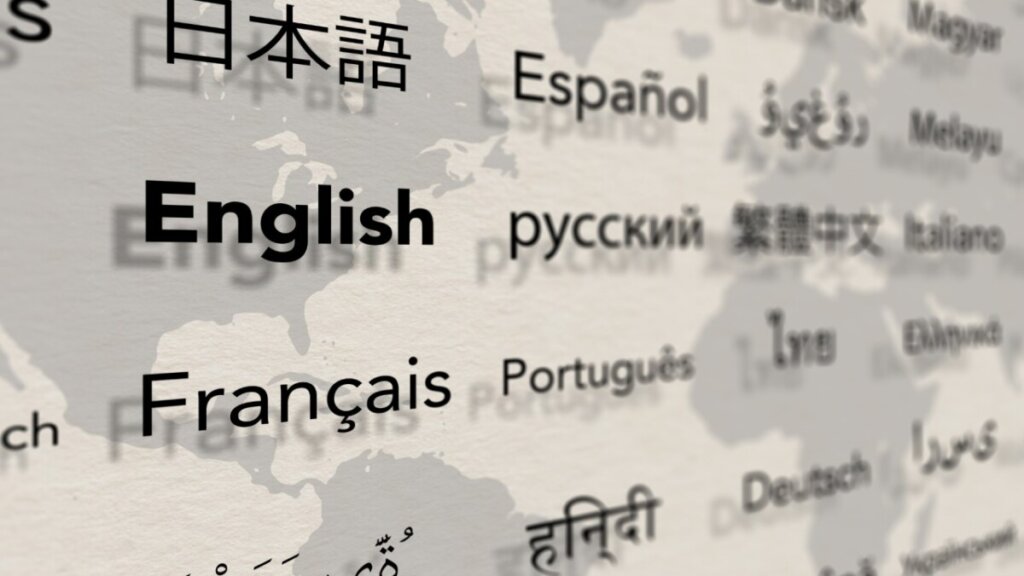
In today’s interconnected world, businesses are increasingly targeting international audiences. But expanding your online presence across borders isn’t just about translating your website. It’s about understanding how to optimize your content for different languages and cultures to ensure maximum visibility in search engines. This is where multilingual SEO comes into play.
What is Multilingual SEO?
Multilingual SEO is the practice of optimizing your website and content to rank well in search results across multiple languages. It involves a range of strategies, from keyword research in different languages to technical considerations like hreflang tags.
Why Multilingual SEO Matters
- Expanded Reach: Reach a wider audience and tap into new markets.
- Improved User Experience: Provide relevant content in the user’s preferred language, increasing engagement and conversions.
- Competitive Advantage: Stand out from competitors who haven’t optimized for multiple languages.
- Increased Traffic and Revenue: Higher rankings in multiple languages lead to more organic traffic and potential customers.
Key Strategies for Multilingual SEO
- Target Market Research:
- Identify your target languages and countries.
- Research search behavior and preferences in each region.
- Keyword Research:
- Conduct keyword research in each target language.
- Identify relevant keywords with high search volume and low competition.
- Consider cultural nuances and local search trends.
- Website Structure:
- Choose between subdirectories (domain.com/language) or subdomains (language.domin.com) for each language.
- Ensure easy navigation between language versions.
- Content Creation and Optimization:
- Translate and localize content for each target language.
- Avoid automated translation tools and use professional translators.
- Optimize content for relevant keywords in each language.
- Adapt content to cultural preferences and local interests.
- Technical SEO:
- Implement hreflang tags to indicate language versions of your pages to search engines.
- Use a sitemap to help search engines crawl and index your multilingual site.
- Optimize page speed for all language versions.
- Link Building:
- Build backlinks from high-quality websites in each target language.
- Participate in local online communities and forums.
Additional Tips:
- Use a Content Delivery Network (CDN): Ensure fast loading times for users across different regions.
- Consider cultural differences: Adapt your content to local holidays, events, and customs.
- Monitor and analyze your results: Track your rankings, traffic, and conversions in each language.
Partner with PAMPA for Multilingual SEO Success
At PAMPA Digital Marketing Agency, we specialize in helping businesses expand their global reach through effective multilingual SEO strategies. Our team of experts will guide you through every step of the process, from market research to content localization and technical optimization. Contact us today to learn how we can help you conquer the world of multilingual SEO.


